

Buy Ielts Certificate
FollowOverview
-
Sectors Customer Support
-
Posted Jobs 0
-
Viewed 83
Company Description
9 . What Your Parents Teach You About Buy IELTS Certificate Without Exam Online
Title: The Risks and Realities of Buying IELTS Certificates Without Taking the Exam: Why It’s Not Worth It
The International English Language Testing System (IELTS) is a worldwide acknowledged English language proficiency test that evaluates the language abilities of non-native English speakers. It is widely used for research study, work, and migration functions in English-speaking nations. The extensive and standardized nature of the IELTS exam makes sure that individuals have the required English language abilities to prosper in academic and expert environments. Nevertheless, the increase of online platforms has caused a concerning trend: the accessibility of IELTS certificates for sale without needing the test-taker to in fact sit for the exam. This short article explores the dangers, legal implications, and ethical issues connected with purchasing IELTS certificates online, and why it is not a feasible or ethical solution.
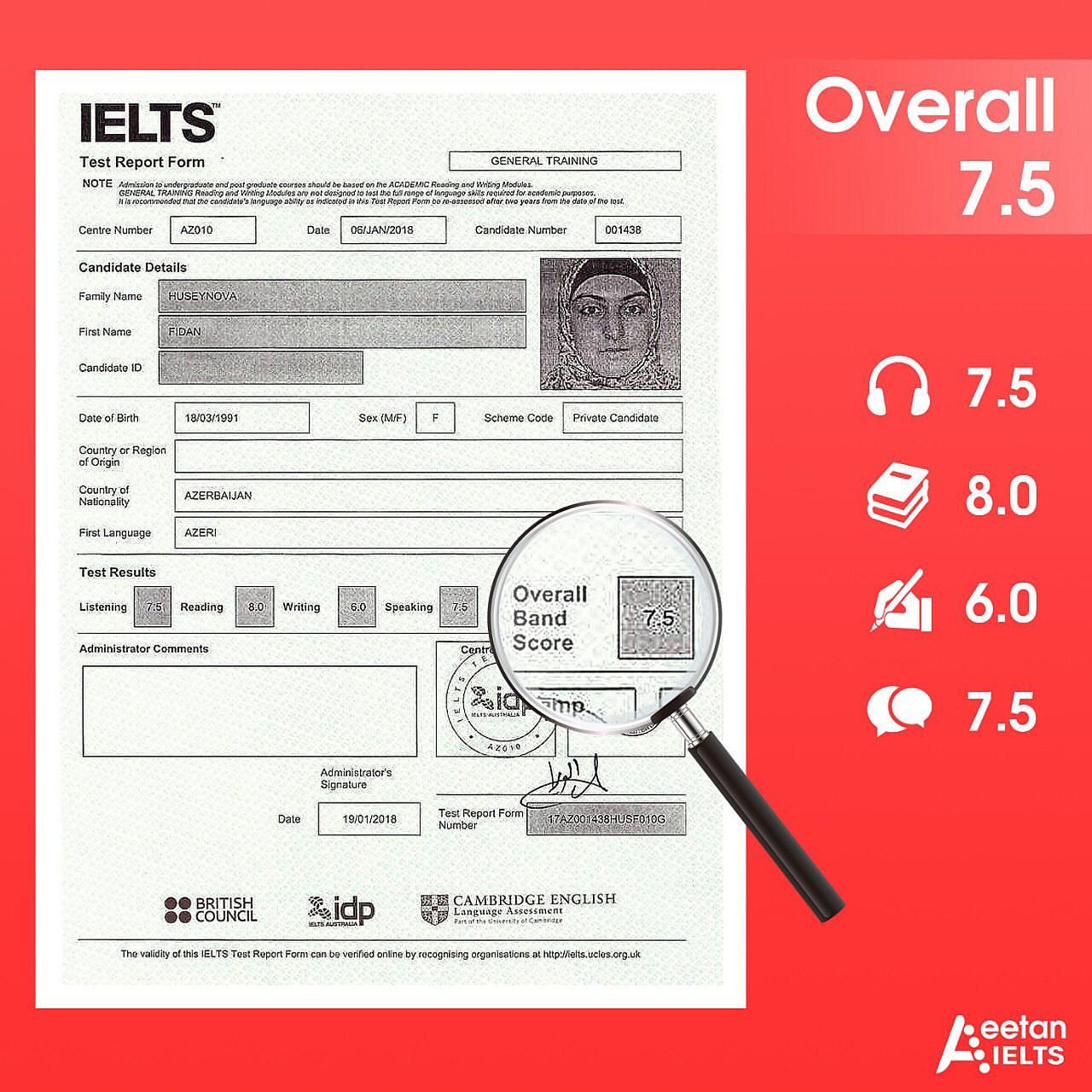
The IELTS Exam: An Overview
The IELTS exam is designed to evaluate the English language capabilities of non-native speakers in four crucial areas: listening, reading, composing, and speaking. It is collectively managed by the British Council, IDP: IELTS Australia, and Cambridge Assessment English. There are 2 main versions of the test: Academic, which appropriates for those requesting higher education or expert registration, and General Training, which is targeted at those migrating to English-speaking nations or registering in secondary education.
Key Components of the IELTS Exam:
- Listening: This section checks the capability to understand spoken English in various contexts, such as discussions, monologues, and discussions.
- Checking out: The reading section evaluates the capability to comprehend written English through a variety of text types, including academic and basic passages.
- Composing: This part evaluates composing skills through two jobs, such as composing an essay or a report.
- Speaking: The speaking test is a face-to-face interview that assesses the ability to communicate successfully in spoken English.
The IELTS exam is known for its high standards and is taken by countless individuals worldwide each year. The certificate, which stands for two years, is a testimony to the test-taker’s English language proficiency and is often an essential requirement for academic organizations, employers, and migration authorities.
The Temptation of Buying IELTS Certificates Online
In today’s digital age, the web has actually made it easier for people to find and access a large range of services, consisting of the sale of IELTS certificates without taking the real exam. These certificates are often marketed as a fast and easy solution for people who are struggling to meet the language requirements for their wanted academic or expert objectives. However, the allure of a shortcut includes significant threats and effects.
Why People Consider Buying IELTS Certificates:
- Time Constraints: Some individuals feel pressed by deadlines and may think that getting a certificate without taking the exam is a quicker method to satisfy their requirements.
- Language Barriers: For those who fight with the English language, the prospect of a guaranteed certificate can be appealing.
- Monetary Constraints: The cost of getting ready for and taking the ielts Certificate Without exam exam, including test charges and tutoring, can be excessive for some.
- Test Anxiety: Some test-takers experience severe stress and anxiety, which can impact their performance on the exam.
The Risks of Buying IELTS Certificates Online
While the concept of bypassing the exam might seem enticing, the truth is far more intricate and laden with risks. Here are a few of the major risks related to purchasing an IELTS certificate without taking the test:
1. Legal Implications
- Fraud: Buying a fake IELTS certificate is a form of scams and can result in severe legal consequences, including fines, jail time, or both.
- Credibility Damage: Being captured with a deceptive certificate can damage your individual and expert credibility, making it challenging to protect future chances.
2. Ethical Concerns
- Stability: Using a fake certificate weakens the integrity of the IELTS program and the institutions that rely on it.
- Unreasonable Advantage: It offers an unreasonable advantage over other test-takers who have put in the effort and time to prepare and take the exam.
3. Institutional Consequences
- Rejection: Most universities, companies, and immigration authorities validate the credibility of IELTS certificates. If a fake certificate is identified, the application will be rejected.
- Expulsion: If a trainee is admitted based upon a deceptive certificate, they might be expelled when the fraud is found.
- Visa Denial: For immigration functions, supplying a fake certificate can lead to the rejection of a visa application and even a ban from using in the future.
4. Personal Development
- Abilities Gap: Without the real language abilities, people may struggle in their academic or expert settings, resulting in bad performance and potential failure.
- Confidence: Preparing for and passing the IELTS exam can improve confidence and supply a sense of achievement, which purchasing a certificate can not.
The Impact on Trust and Credibility
The availability of fake IELTS certificates not only impacts the people who purchase them but likewise has wider ramifications for the trust and trustworthiness of the IELTS program itself. When organizations and companies discover that someone has actually utilized a fake certificate, they might become more suspicious of all IELTS results, leading to increased scrutiny and confirmation processes. This can make it harder for genuine test-takers to have their outcomes accepted.
How to Detect Fake IELTS Certificates
Organizations and organizations have numerous methods to find fake IELTS certificates. Here are some crucial signs that a certificate may be deceitful:
- Inconsistent Information: Mismatched names, dates, or test center details.
- Poor Quality: Fake certificates frequently have poor printing quality, inaccurate logo designs, or misspellings.
- Unproven Test Centers: The test center listed on the certificate may not be an official IELTS test center.
- Absence of Unique Identification: Genuine IELTS certificates have distinct recognition numbers that can be validated through official channels.
Alternatives to Buying IELTS Certificates
Instead of resorting to unethical and prohibited practices, people who are struggling to prepare for or pass the IELTS exam have numerous legitimate options:
1. Language Tutoring and Courses
- Online Courses: Many credible online platforms use IELTS preparation courses that can help test-takers enhance their language abilities.
- Personal Tutoring: Working with a personal tutor can supply individualized assistance and support.
- Language Schools: Enrolling in language schools that specialize in IELTS preparation can be a reliable method to get ready for the exam.
2. Practice Tests and Materials
- Authorities Practice Materials: The IELTS site offers a variety of free and paid practice materials, including sample tests and study guides.
- Practice Tests: Taking practice tests can help recognize locations of weak point and improve overall performance.
3. Test Retakes
- Numerous Attempts: If you do not achieve the preferred score on your first effort, you can retake the exam. Many people enhance their scores with additional preparation and practice.
Often Asked Questions (FAQs)
Q1: Is it legal to buy an IELTS certificate without taking the exam?
A1: No, purchasing an IELTS certificate without taking the exam is prohibited and considered scams. It can result in legal consequences, consisting of fines and jail time, and can harm your track record and future chances.
Q2: Can a fake IELTS certificate be detected?
A2: Yes, a lot of universities, companies, and migration authorities have robust verification processes in place. They can easily identify fake certificates through irregular details, bad quality, and absence of distinct identification numbers.
Q3: What are the effects of using a fake IELTS certificate?
A3: The consequences can be extreme and consist of rejection of applications, expulsion from academic institutions, denial of visas, and legal consequences. It can likewise damage your personal and professional track record.
Q4: Are there any genuine ways to acquire an IELTS certificate quickly?
A4: While there are no faster ways, you can prepare more efficiently by registering in IELTS preparation courses, working with private tutors, and taking practice tests. These techniques can help you enhance your language skills and increase your possibilities of passing the exam on your first effort.
Q5: How can I prepare for the IELTS exam successfully?
A5: Effective preparation involves:
- Studying the Test Format: Understand the structure and timing of the test.
- Practicing Regularly: Use official practice materials and take mock tests to replicate the exam environment.
- Improving Language Skills: Focus on boosting your listening, reading, writing, and speaking abilities.
- Seeking Professional Help: Consider registering in a preparation course or dealing with a tutor.
The IELTS exam is a valuable tool for showing English language proficiency, and the certificate it provides is an acknowledged requirement in academic and expert circles. While the temptation to buy a fake certificate might appear like an attractive faster way, the threats and repercussions are too considerable to disregard. Ethical and legal options, such as language tutoring, practice tests, and retakes, use a more reliable and fulfilling course to achieving the required language abilities. By investing in genuine preparation, people not only satisfy their academic and expert objectives but also gain the skills and self-confidence required to prosper in English-speaking environments.